Why Is Folic Acid Going Into Our Bread — and What Does That Say About Modern Food?
Why Is Folic Acid Going Into Our Bread — and What Does That Say About Modern Food? A customer asked
Rope Ln, Crewe CW2 6RQ
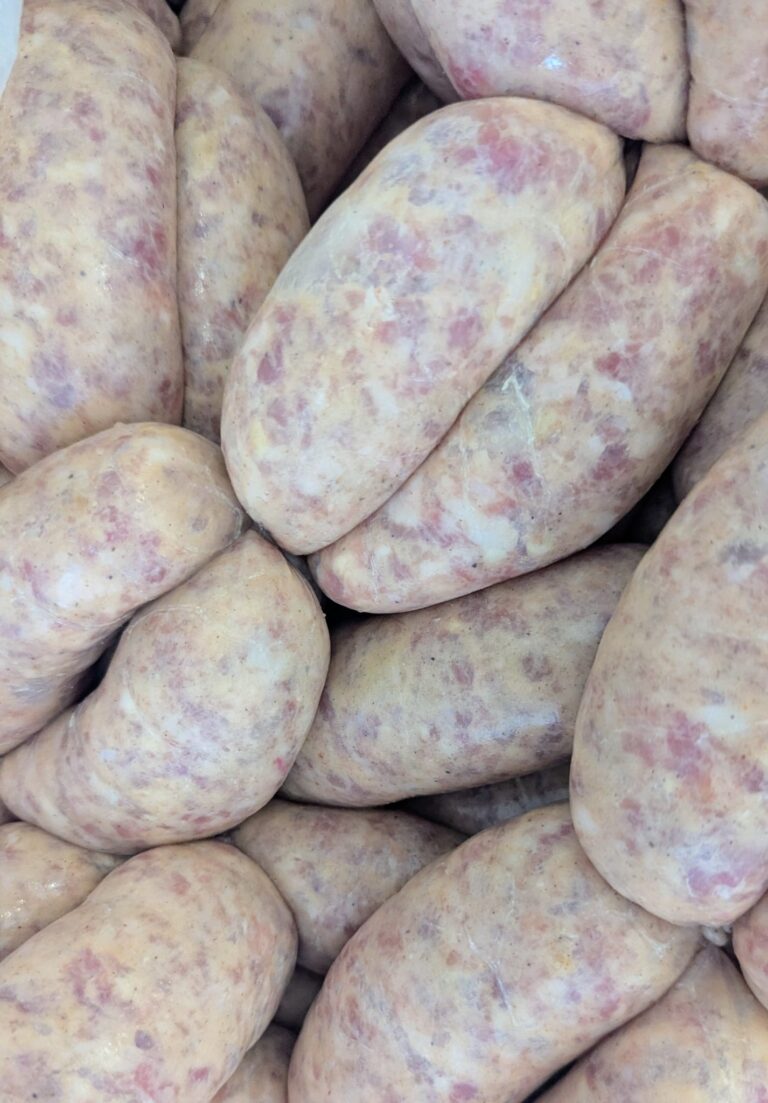
The history of the humble sausage (and how Owl Farm is evolving it)
Sausages are one of those foods that feel like they’ve always been there — comforting, practical, and quietly brilliant. They’re also a perfect example of how good food is rarely about trends. It’s about thrift, craft, and making the most of what you’ve got.
At Owl Farm, we love sausages for exactly those reasons. We farm with a “100 years ago” mindset, we raise heritage breeds, and we care deeply about flavour, welfare, and using the whole animal properly. So here’s a look at where the humble sausage comes from — and how we’re pushing it forward without losing what made it special in the first place.
Where sausages began: preservation, practicality, and zero waste
Long before fridges and vacuum packs, people needed ways to store meat safely and stretch it further. Turning meat into sausage solved a few problems at once:
In other words: sausages weren’t invented as a luxury. They were invented because people were sensible.
From ancient kitchens to British butcher counters
Sausages show up across history in different forms — from ancient Mediterranean recipes to the spiced, regional sausages of Europe. Over time, every place developed its own “signature” based on what was available locally:
In Britain, the sausage became a proper staple: breakfast, bangers and mash, sausage rolls, pies — food that’s hearty, familiar, and built for feeding families.
The modern sausage problem (and why it matters)
Somewhere along the way, the sausage also became a place where corners could be cut. Not always — there are still brilliant butchers out there — but in mass production you often see:
And that’s a shame, because a sausage can be one of the best things you eat — when it’s made properly.
What a sausage means at Owl Farm
For us, sausage is not “leftovers in a skin.” It’s a craft product.
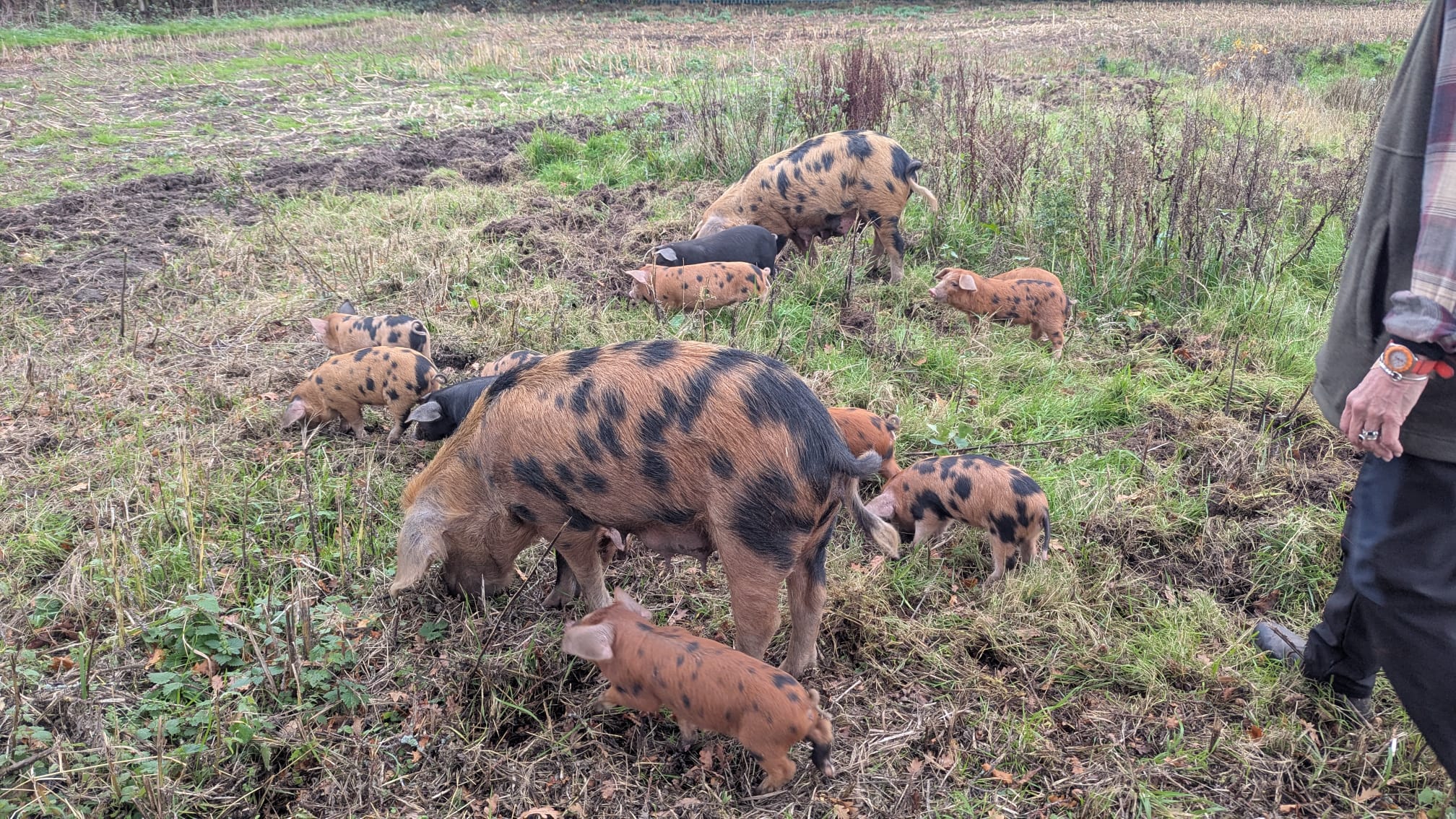
We raise heritage breed pigs and produce food with a strong sense of place and season. We care about welfare, we care about flavour, and we care about being honest about what we do.
A great sausage should be:
Evolving the sausage: tradition, but with imagination
The best part about sausages is that they’ve always evolved. They’ve always reflected the time, the place, and the people making them.
At Owl Farm, we keep the traditional foundation — quality meat, proper butchery, good seasoning — and then we build on it with flavours that make people stop mid-bite.
You’ll see that in our range, for example:
And we don’t create these in a vacuum. We listen to what customers love, what they ask for at the markets, and what they’re excited to cook at home.
Why heritage breeds make better sausages
This is where farming and flavour meet.
Heritage breeds are known for character — not just in how they live, but in how they eat. The meat can have a depth and richness that stands up beautifully in a sausage. When you start with better raw material, you don’t need to hide behind heavy processing.
That’s the Owl Farm way: start with quality, then treat it with respect.
The future of the humble sausage
We think the future looks a lot like the past — with a few modern improvements.
Sausages have always been a food of the people. Our job is to make them worthy of that status — every single time.
Come and taste what we mean
If you’ve only ever had “average” sausages, we’d love to change your mind.
Come and see us at the farmers markets, ask what’s new, and tell us how you like to cook them — because Owl Farm sausages aren’t just a product. They’re a conversation, a craft, and (if we’ve done our job right) the best part of your tea.
Why Is Folic Acid Going Into Our Bread — and What Does That Say About Modern Food? A customer asked
There’s a moment that happens at Owl Farm’s stall at Nantwich Market. A customer picks up a pack of sausages,