Why Is Folic Acid Going Into Our Bread — and What Does That Say About Modern Food?
Why Is Folic Acid Going Into Our Bread — and What Does That Say About Modern Food? A customer asked
Rope Ln, Crewe CW2 6RQ
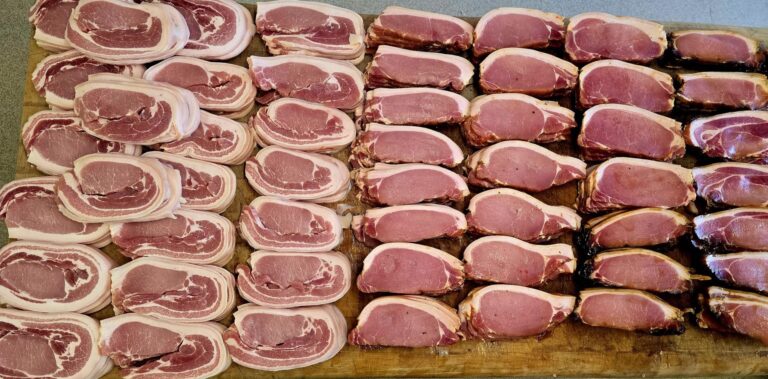
Bacon feels like it’s always been part of British life — in a butty, alongside eggs, or adding depth to a stew. But bacon didn’t start as a “treat”. It started as a practical way to make good pork last.
And that’s exactly why dry cured bacon still matters today. The same slow, traditional method that helped families store food through winter is also the method that builds the best flavour and texture.
What is bacon?
At its simplest, bacon is pork that’s been cured — usually with salt, time, and sometimes smoke. Curing reduces moisture, helps preserve the meat, and develops that unmistakable savoury taste.
Modern bacon comes in different cuts and curing styles, but the heart of it is still the same:
Where did bacon originate?
It’s hard to point to one “first bacon”, because curing pork is ancient. Pig domestication goes back thousands of years, and across different cultures people discovered that salted pork could be stored and eaten long after slaughter.
In ancient China, salted pork belly appears in early food records. In Europe, the Romans were known for their love of pork and their skill with curing and seasoning. These weren’t rashers as we know them, but the principle was identical: preserve pork with salt and let flavour develop.
How bacon was traditionally cured (salt, time, smoke)
Before fridges, curing wasn’t optional — it was survival. Salt draws moisture out of meat, slowing spoilage. Cool air and time do the rest.
Smoke often played a role too. Smoking helps dry the surface and adds flavour. Different woods, different smokehouses, and different local habits created regional styles — which is why bacon tastes slightly different depending on where you buy it.
Back bacon vs streaky bacon vs middle bacon
In the UK, bacon usually means one of three cuts:
If you’ve ever wondered why some bacon is leaner and some is more “crispy”, this is the reason: it’s a different part of the pig.
Dry-cured vs wet-cured bacon: what’s the difference?
This is one of the most searched questions — and it’s worth knowing because it changes how bacon cooks.
What is dry cured bacon?
Dry cured bacon is made by rubbing salt (and seasonings) directly onto the pork. It cures slowly, firms up naturally, and develops a deeper flavour.
What you’ll notice at home:
What is wet cured bacon?
Wet cured bacon is cured in a brine. It’s faster and can be very consistent, but it can also be milder and sometimes releases more liquid when cooked.
Neither is “right” or “wrong” — but if you love bacon that tastes properly of pork, dry curing is hard to beat.
How we make dry cured bacon at Owl Farm
At Owl Farm, we keep things traditional and hands-on. We hand dry-cure our bacon because it gives you the flavour and texture we’re proud to put our name to.
Our bacon cuts
Our flavours
Everything is cured with care, then packed properly so it cooks beautifully at home — whether you’re doing a full breakfast, a midweek pasta, or a bacon sandwich that hits the spot.
FAQ: dry cured bacon
Is dry cured bacon healthier?
“Healthier” depends on your overall diet, but dry cured bacon is often less watery and can be more concentrated in flavour, meaning you may find you need less to feel satisfied.
Why does dry cured bacon release less water?
Because it hasn’t been cured in a brine. Dry curing draws moisture out of the meat rather than adding liquid.
Does dry cured bacon cook differently?
Yes — it usually benefits from gentler heat so the fat renders slowly and the lean doesn’t catch. (If you’d like, we’ve also got a full guide on cooking dry-cured bacon.)
How long does dry cured bacon keep?
It depends on how it’s packed and stored, but properly packed bacon should keep well in the fridge and is ideal for freezing. Always follow the label and storage guidance.
The simple takeaway
Bacon’s history is really the history of making food last — and then learning how to make it delicious.
If you’re looking for bacon with real depth, dry cured bacon is the traditional method for a reason: it’s slower, it’s hands-on, and it tastes the way bacon should.
Why Is Folic Acid Going Into Our Bread — and What Does That Say About Modern Food? A customer asked
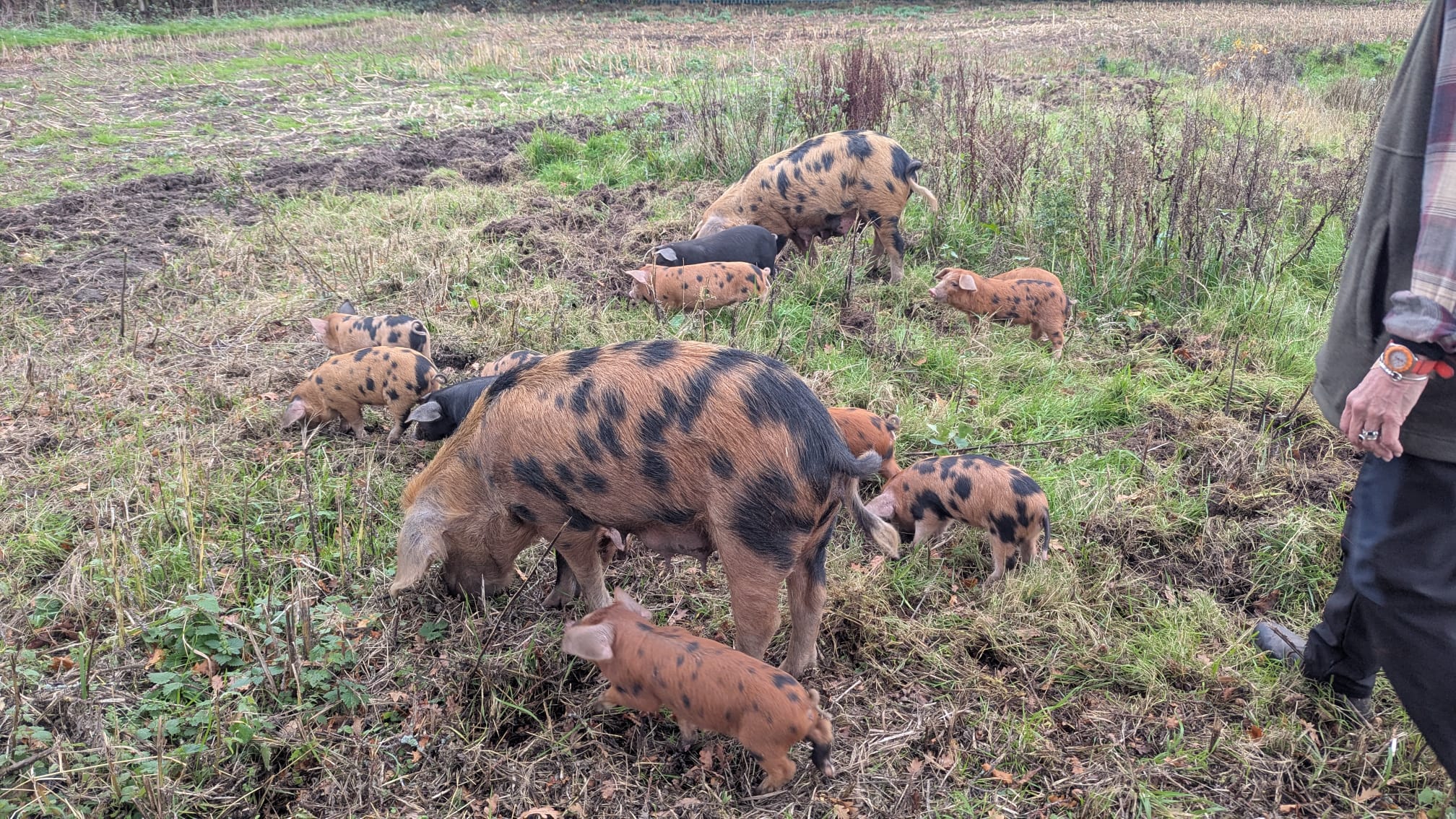
There’s a moment that happens at Owl Farm’s stall at Nantwich Market. A customer picks up a pack of sausages,