From Seed to Straw: Why Straw Matters on Owl Farm
Straw doesn’t get much attention. It’s not the glamorous part of farming, and it’s not the bit people photograph for the label.
But on a proper farm, straw is one of the most useful, hardworking materials you’ll ever find — and it plays a role from the moment a seed goes into the ground, right through to animal bedding and feed.
Here’s why we think straw is genuinely wonderful.
It starts with a seed in the ground
Before straw is straw, it’s part of a cereal crop — grown from seed, rooted in soil, and shaped by the season. You get the grain (the bit most people think about), and you also get the stalk.
That stalk is straw.
It’s a brilliant reminder that farming is rarely about one single output. When you grow crops, you’re building a system: soil, plants, weather, time, and the way you use what you harvest.
Straw is a by-product — but it’s never “waste”
In farming, the best systems are the ones where nothing useful is thrown away.
Straw is a perfect example. It’s what’s left after the grain is harvested, but it’s far from leftover in value. It becomes part of the day-to-day running of the farm — helping animal welfare, cleanliness, comfort, and even nutrition.
Straw as bedding: comfort, warmth, and welfare
One of straw’s most important jobs is bedding.
Good bedding isn’t just about looking tidy. It’s about giving animals a clean, dry, comfortable place to rest — and that affects everything from stress levels to health.
Straw bedding helps by:
- Creating a warm, insulating layer in colder weather
- Absorbing moisture and helping keep living areas drier
- Encouraging natural behaviours like nesting and rooting
- Supporting overall welfare through comfort and cleanliness
If you’ve ever seen animals settle into fresh straw, you’ll know exactly what we mean. They relax. They bed down. It’s a small thing that makes a big difference.
Straw as feed: fibre with a purpose
Straw can also be used as part of animal feed — not as a “main course,” but as a useful source of fibre.
That fibre plays a role in:
- Supporting healthy digestion
- Helping animals stay settled and comfortable
- Adding structure to the diet, depending on the animal and time of year
It’s another example of how farms work best when you understand materials for what they do, not just what they are.
Straw helps keep the farm cleaner (and that matters)
Cleanliness on a farm isn’t about being fussy — it’s about health.
Straw is part of how we manage day-to-day hygiene. It helps keep animals off wet ground, keeps sleeping areas drier, and makes mucking out more effective. That all adds up to better conditions for the animals and a smoother routine for the people looking after them.
And then it keeps going: straw becomes part of the cycle
After straw has done its job as bedding (and sometimes as part of feed), it doesn’t stop being useful.
Used straw and manure become a valuable resource in their own right — part of the wider cycle of nutrients and soil health. It’s one of those quiet, behind-the-scenes processes that keeps farms functioning year after year.
Why we love it
Straw is humble, practical, and incredibly effective. It’s a perfect symbol of traditional farming: making the most of what you have, respecting the season, and building a system where every part has a purpose.
From seed in the ground, to stalk in the field, to bedding in the barn and fibre in the feed, straw is one of the unsung heroes of farm life.
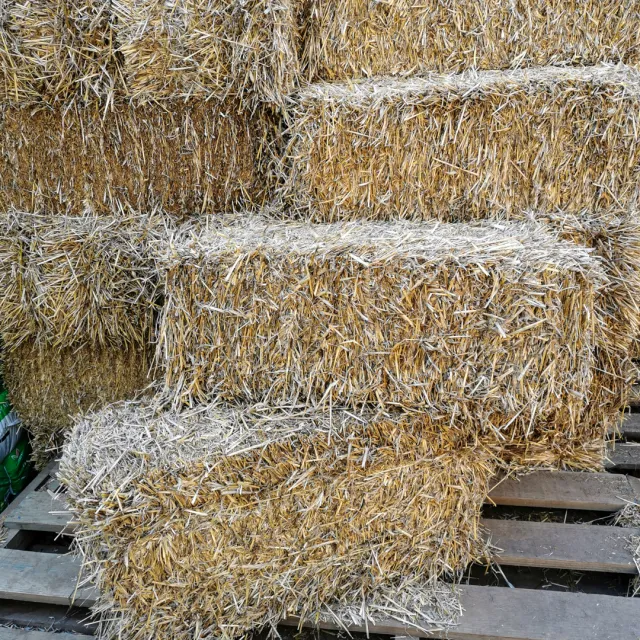
Next time you see a bale stacked up, or a fresh bed of straw in a pen, you’ll know: that’s not just “farm stuff.” That’s comfort, welfare, and good farming — bundled up and ready to work.