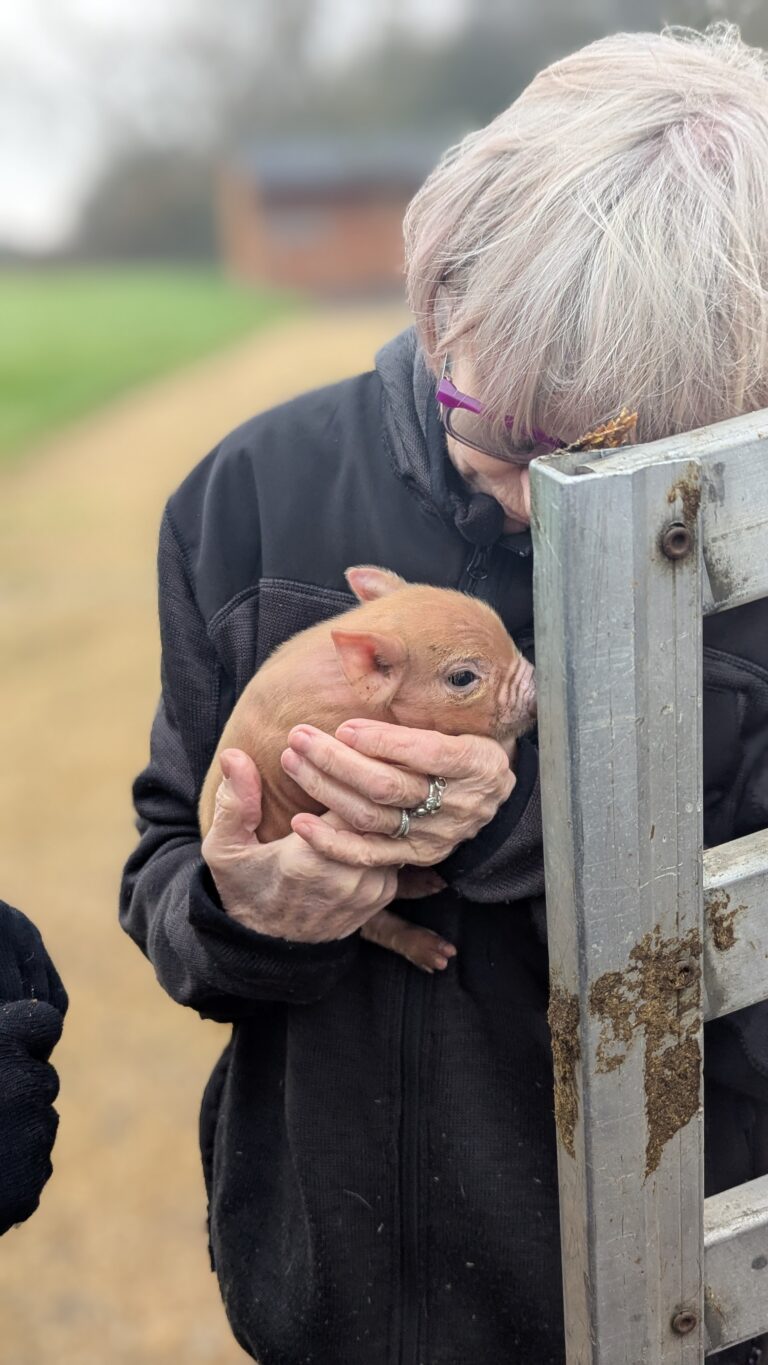
KuneKune pigs have a way of winning people over fast. They’re small, friendly, full of character, and they look like they’ve wandered out of a storybook.
It’s no surprise we get asked the question: “Do KuneKunes make good pets?”
They can — for the right person, with the right setup. Here’s an honest, practical guide to what KuneKunes are like, and what you should think through before you fall in love with the idea.
First: what is a KuneKune?
KuneKunes are a small heritage pig breed originally from New Zealand. They’re often described as calmer and more people-friendly than many commercial pig types.
They’re also known for being good doers — meaning they can maintain condition easily — which is lovely when managed well, and a problem if they’re overfed.
Why people love them as pets
1) They’re full of personality
KuneKunes are curious, social, and surprisingly clever. They learn routines quickly and can become very attached to their people.
2) They’re generally gentle
With good handling and calm boundaries, many KuneKunes are friendly and steady — which is why they’re popular as smallholders’ pigs.
3) They suit a slower, outdoor lifestyle
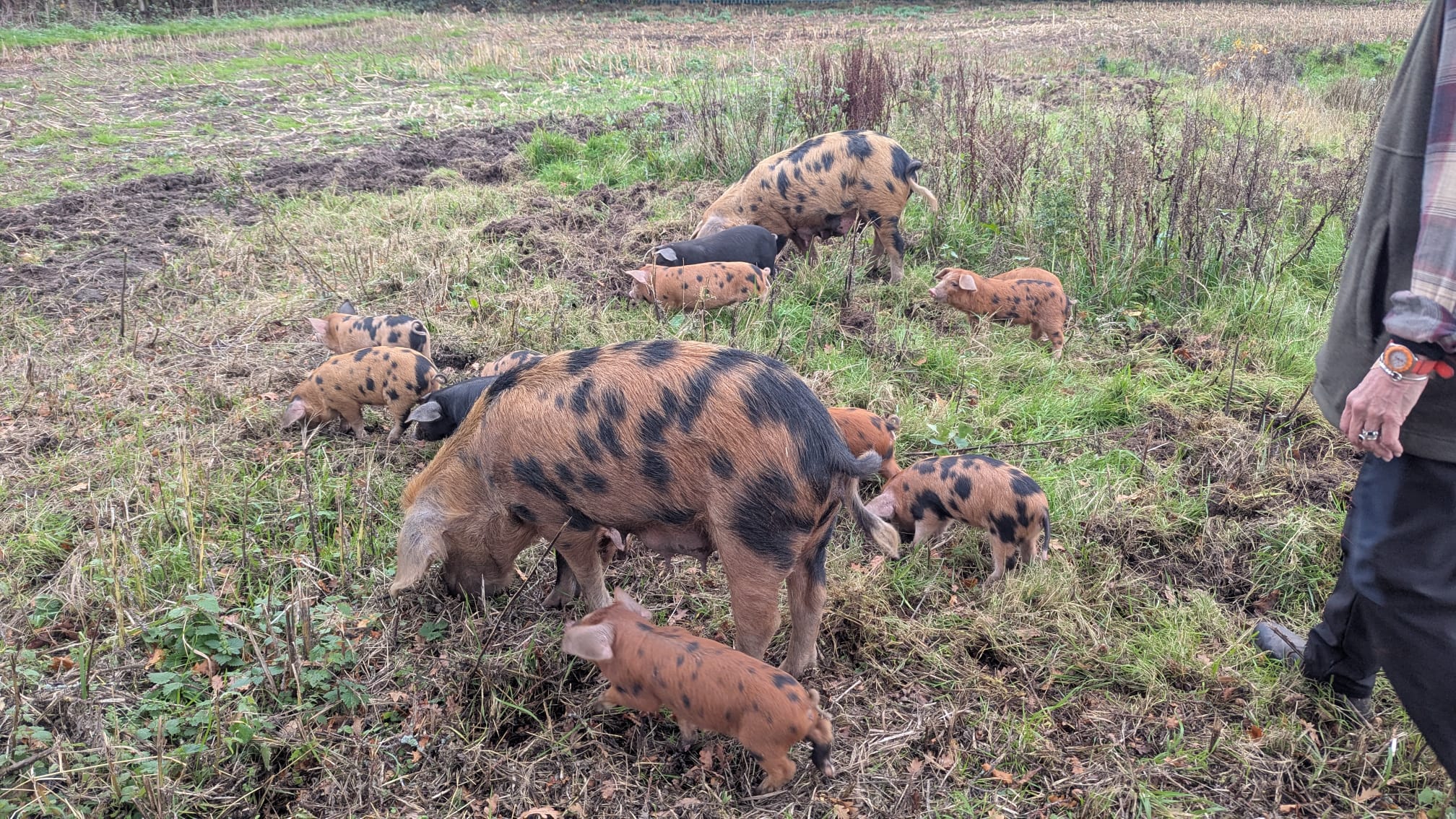
They’re happiest outdoors with space to potter, root, nap, and explore. If you love being outside and you’ve got land, they can be a brilliant addition.
The big reality check: they’re not “easy” pets
A KuneKune isn’t a dog in a different outfit. They’re livestock. That means they come with real responsibilities.
Here are the main things people underestimate.
Space, fencing, and shelter (non-negotiable)
Pigs are strong and smart. If your fencing is “probably fine”, it won’t be.
You’ll need:
- Proper stock fencing (and ideally electric as a deterrent)
- A dry, draft-free shelter with good bedding
- A plan for mud management in winter
If they get out, they’ll go exploring — and you’ll be the one apologising to neighbours.
They need pig company
KuneKunes are social animals. Keeping a single pig is rarely a good idea.
In most cases, you should plan to keep at least two so they have companionship and stay settled.
Feeding: the quickest way to get it wrong
KuneKunes can get overweight very easily.
That means:
- “A bit of bread” becomes a habit
- Overfeeding can lead to health issues and mobility problems
They need a sensible, consistent diet and someone willing to say “no” when they give you that look.
Handling and training: start as you mean to go on
Friendly doesn’t mean untrained.
A well-mannered pet pig needs:
- Clear boundaries (no barging, no nipping)
- Respect for their strength
A small pig can still knock you over if it’s pushy — especially around food.
Vet care and routine health needs
Before you get pigs, make sure you have:
- A vet who will treat pigs locally
- A plan for worming/parasite control
- Hoof care knowledge (or help)
- A way to transport them if needed
It’s also worth checking what rules apply where you live — keeping pigs can involve registration and movement rules.
The question nobody wants to ask: what’s your long-term plan?
KuneKunes can live a long time. They also don’t stay tiny forever.
So ask yourself:
- Can I care for them year-round, in all weather?
- What happens if I move house?
- What happens if my circumstances change?
- Am I prepared for the cost of fencing, feed, bedding, and vet care?
If you can answer those confidently, you’re already ahead of most people.
So… do KuneKunes make good pets?
They can be wonderful — if you treat them like livestock with pet-level handling, not like a novelty.
The best KuneKune owners are the ones who:
- Have the right space and fencing
- Enjoy the daily routine of animal care
Do that, and you’ll have two hilarious, affectionate, mud-loving characters who’ll make you smile every day.
Want to chat about KuneKunes?
If you see us at the markets, ask. We’re always happy to talk pigs — what they’re like, what they need, and what makes them thrive.